
Financial Foundations for New Recruits at Pirbright
Approx. 10 minute read
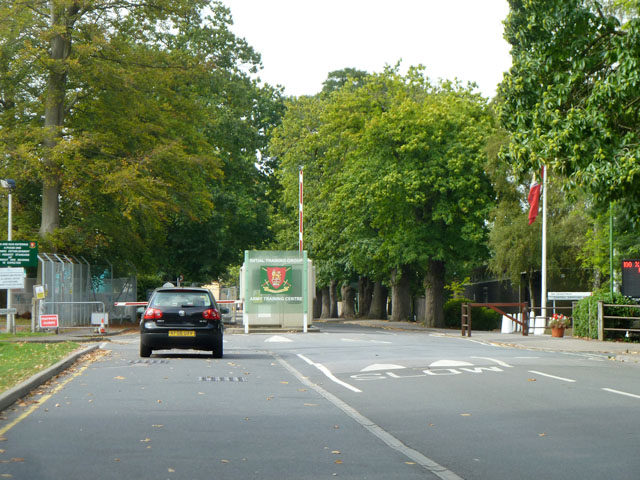
Army Training Centre Pirbright is where your military career begins. ATC Pirbright is about 30 miles west of London, close to the towns of Aldershot and Guildford. For many recruits, Pirbright is their first time away from family and friends as they take on the 13-week basic training course. Between your first parade and your pass-off, nobody briefs you on your pay, your pension, or the financial gaps that exist from your first day in uniform. This guide does exactly that.
Your Pay as a New Recruit at Pirbright
Before you focus on anything else, you need to understand what lands in your bank account. Recruits and Privates start on £26,334 a year. That figure already includes the X-Factor supplement, a loading that compensates for the unique demands of service life. The X-Factor supplement of 14.5% is already included in published military salaries to compensate for the unique conditions of service.
When accommodation (worth approximately £8,000 per year), subsidised meals (approximately £2,000 per year), free healthcare including dental, free sport facilities, and the employer-funded AFPS15 pension (worth approximately 20 to 25% of salary) are included, the total package is equivalent to a civilian salary of approximately £40,000 to £45,000 for a newly joined Private. When you compare your take-home against your actual outgoings at Pirbright, the picture is better than the headline salary suggests.
British Army pay is set under the Armed Forces’ Pay Review Body (AFPRB) framework, a single pay system used across all three services. The 2025/26 pay year delivered a 4.5% award across the remit group from 1 April 2025.
AFPS15: The Pension That Starts on Day One
Every new recruit joining today enters the Armed Forces Pension Scheme 2015 (AFPS15). The death-in-service lump sum is four times your final pensionable earnings, the biggest multiple in UK public service. Critically, you do not have to fund it yourself. Unlike most other public sector schemes, members of AFPS15 pay no pension contributions. The pension is fully funded by the Ministry of Defence.
AFPS15 is a career average (CARE) defined benefit scheme with an accrual rate of 1/47 of your pensionable earnings each year, and a Normal Pension Age of 60. AFPS15 remains one of the strongest public sector pension schemes available. Its benefits compare extremely well with those offered across both the public and private sectors, and the longer you remain a member, the more substantial the rewards become.
AFPS15 Death in Service: What Your Family Gets from Day One
This is the single most important financial benefit a new Pirbright recruit needs to understand. If you die in service, your spouse, civil partner or eligible partner will receive an immediate pension, paid for life, and a tax-free lump sum amounting to four times your final pensionable earnings. The lump sum is four times your final pensionable earnings and will be paid regardless of whether you have completed at least two years of qualifying service.
These multiples are set by the scheme, not by length of service, so even a relatively junior member with a young family is protected from day one. To ensure these benefits pass to the right person, you just need to keep your personal details up to date with JPAC. Your first administrative task after arriving at Pirbright should be to nominate a beneficiary. Do not leave this until week three.
The spouse or partner survivor pension under AFPS15 is 62.5% of your accrued pension, and children’s pensions provide tiered support for dependent children.
What AFPS15 Does Not Cover
The AFPS15 death-in-service benefit is substantial. It is not, however, a complete financial plan. Four times gross pay is a meaningful sum, but it is not a complete financial plan. There is no critical illness or serious illness provision within AFPS15.
If you are diagnosed with cancer, suffer a heart attack or a stroke whilst serving, AFPS15 pays nothing in response to that diagnosis. You continue serving or you are medically discharged, but there is no lump sum protection for the period of treatment and recovery.
Income protection does not fill that gap either. Serving military personnel are not eligible for personal income protection insurance from mainstream UK insurers. Income protection plans are only available for part-time Reservists who are not about to go on a tour of duty to an active theatre of operations or conflict, do not take part in any high-risk roles such as bomb disposal or aviation, and will attract an exclusion for accident or injury linked to the armed forces.
This gap is not theoretical. If you are diagnosed with a serious illness or suffer a career-altering injury outside of attributable service, your financial exposure depends entirely on service sick pay, AFPS15 ill-health provisions, and any personal cover you hold. For most recruits, that third category is empty on day one.
Serious Illness Cover: Filling the Gap That AFPS15 Leaves
Because income protection is unavailable to serving personnel, Serious Illness Cover (SIC) is the most important personal protection product to consider from the start of your career. Unlike traditional critical illness plans, Vitality Serious Illness Cover pays out based on the impact the condition has on your lifestyle. Conditions are classed by severity level and pay out between 5% and 100% of your total cover amount, depending on severity.
VitalityLife offers three tiers of Serious Illness Cover: 1X covers 114 conditions with payouts from 25% to 100%; 2X covers 143 conditions with payouts from 15% to 100%; and at the 3X variant, Vitality covers 174 conditions. In 2025, 1 in 7 Vitality Serious Illness Cover claims would not have been covered by a typical enhanced critical illness plan.
Cover is available to serving personnel, though exclusions apply for injuries directly caused in an active theatre of war. The Vitality Programme, which rewards healthy behaviours, aligns well with military fitness culture and can reduce premiums over time. Speak to a Vitality Coach to find out which tier is right for your role, your family, and your budget.
Personal Accident Cover: Your First Insurance Priority at Pirbright
Basic training at ATC Pirbright involves physical demands that carry a real risk of accidental injury, from the assault course to weapons handling to field exercises. Military personal accident insurance pays a cash benefit directly to you if you suffer a qualifying injury from an accident, whether you are on duty, off duty, on leave, deployed overseas, or playing sport. Unlike critical illness cover or life insurance, personal accident cover pays for physical injuries that affect your body and your ability to work in the short or long term.
Absolute Military’s Personal Accident cover starts at £3.79 per month. Cover from Absolute Military starts at £3.79 per month and pays from £1,250 per qualifying injury. Fairer Finance, an FCA-authorised and regulated consumer research organisation, rated Absolute Military first of eight for cover with a primary feature score of 79% compared with 39% for the next-closest product.
The Armed Forces Compensation Scheme (AFCS) compensates for any injury, illness or death caused by service on or after 6 April 2005. It is entirely separate from any other personal accident cover. Any accident cover that you may already hold is not considered when determining an AFCS award. This means your personal accident policy sits alongside your AFCS entitlement, not in place of it.
Kit Insurance at Pirbright
From the moment you are issued kit at Pirbright, you carry responsibility for it. Damage to or loss of service-issued equipment can result in charges against your pay. Kit insurance from Absolute Military is designed specifically for serving personnel and covers issued and personal equipment against loss, theft and damage. It is a low-cost way to protect against a charge that could otherwise eat directly into your monthly take-home.
Thinking About a Mortgage from Pirbright
Buying a property will feel remote during Phase 1 training, but the Forces Help to Buy scheme is worth understanding early because it rewards those who plan ahead. The Forces Help to Buy (FHTB) scheme is an interest-free advance of salary available to eligible Regular Service personnel. Forces Help to Buy lets eligible Regular personnel borrow an interest-free advance of up to 50% of annual salary, including specialist pay, capped at £25,000. The advance can be used towards your deposit and eligible home-buying costs such as solicitor’s and estate agent fees. It is repaid via payroll, typically over ten years.
Forces Help to Buy is still available and it is no longer a temporary pilot scheme. The Ministry of Defence made Forces Help to Buy an enduring policy from 1 January 2023, meaning there is currently no scheduled scheme end date. A specialist military mortgage adviser, such as John Greasby at Absolute Military, can help you plan the right time to use this scheme and which lenders understand military income best.
The Pirbright Financial Checklist: Before You Leave Basic Training
- Nominate a beneficiary for your AFPS15 death-in-service benefit via JPAC. This should happen in your first week of paid service.
- Understand what is on your payslip. Know your basic pay, the X-Factor element, and any deductions so there are no surprises.
- Get Personal Accident Cover in place. At £3.79 per month, this is the most affordable piece of personal financial protection available to you as a recruit.
- Ask about Serious Illness Cover. With income protection unavailable, SIC is the primary tool for protecting your finances against a serious diagnosis.
- Keep kit insurance in mind. The cost of replacing or repairing issued kit without cover can exceed a month’s take-home pay.
- Start learning about Forces Help to Buy. Even in training, understanding the scheme means you are ready to act when the time comes.
For the latest insurance and protection market insight, read the October 2026 Market Review at Absolute Military.
Frequently Asked Questions
Do I have to pay into my pension at Pirbright?
The Army will pay all of the contributions towards your pension. Members of AFPS15 pay no pension contributions. Your AFPS15 membership begins from the first day of regular paid service, and the benefit builds from that point without any deduction from your pay.
What is the death-in-service benefit at Pirbright as a new recruit?
Under AFPS15 the death-in-service lump sum is four times your final pensionable earnings. This is payable regardless of length of service. The usual two-year qualifying period is waived for death in service. Your family is covered from day one, even during Phase 1 training.
Can I get income protection insurance as a serving soldier?
Serving military personnel are not eligible for personal income protection insurance from mainstream UK insurers. This applies to all regular serving personnel regardless of role. Serious Illness Cover is the closest available alternative and pays a lump sum on diagnosis of a qualifying condition. Speak to a Vitality Coach to explore the options that are available to you.
How much does personal accident insurance cost for a Pirbright recruit?
Absolute Military’s Personal Accident cover starts at £3.79 per month. Fairer Finance, an independent FCA-authorised consumer research organisation, assessed every military personal accident insurance product in the market in 2026. Absolute Military’s minimum monthly premium of £3.79 per unit scores in the 96th percentile for lowest price, meaning it is cheaper than 96% of competing products.
What is Forces Help to Buy and when can I use it?
Forces Help to Buy lets most regular service personnel borrow up to 50% of their gross annual salary, capped at £25,000, completely interest-free. Regular members of the Royal Navy, Royal Marines, British Army, or RAF who have completed the minimum service period, have more than six months left to serve, and meet medical category requirements can apply. You cannot access it during Phase 1 training, but understanding it early puts you in the best position to use it when you qualify.
Reviewed by Paul O’Mahoney
All the information in this article was accurate at the time of publication. This may be subject to change.
Sources
- Army Training Centre Pirbright. Ministry of Defence, accessed 23 October 2026
- Pay Benefits. British Army / MOD, accessed 23 October 2026
- AFPS 15 Explained: The Armed Forces Pension Scheme 2015. PensionPlain, accessed 23 October 2026
- Armed Forces Pension Scheme 2015 Your Scheme Explained. GOV.UK / Ministry of Defence, accessed 23 October 2026
- The Key Benefits of AFPS15. Forces Pension Society, accessed 23 October 2026
- Army Pay Scales 2026/27: Full Rates by Rank + LSA Levels. PayslipIQ, accessed 23 October 2026
- Compare Military Personal Accident Insurance. Absolute Military, accessed 23 October 2026
- Military Personal Accident Insurance. Absolute Military, accessed 23 October 2026
- Forces Help to Buy Scheme. MOD Discover My Benefits, accessed 23 October 2026
- Forces Help to Buy Explained (2026). Spolton Mortgages, accessed 23 October 2026
- Occupation and Armed Forces. Legal & General, accessed 23 October 2026
- Money and Insurance Help at Aldershot. Absolute Military, accessed 23 October 2026